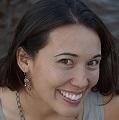
36Karen Morales, Joyward Travel
It didn’t start with a niche, it started with a perspective. And in just a few short years, Karen has turned that perspective into a fast-growing travel business that’s on track to hit $1M in annual sales in 2026.
Since entering the industry in 2022, Karen has built her business around accessible travel, not as a checkbox, but as a core part of how she serves every single client. As a wheelchair user herself, she brings lived experience into every itinerary, helping travelers navigate a world that isn’t always designed with them in mind… and showing them what is possible.
Karen is a firm believer that accessible travel isn’t just for a small subset of clients, it’s something every advisor should be thinking about. From mobility needs to invisible disabilities to simply asking better questions, she shares how advisors can create more inclusive experiences without feeling overwhelmed or out of their depth.
In this episode, Karen walks us through how she’s built trust with her clients, the realities (and misconceptions) of accessible travel, and how focusing on this space has not only made her business more meaningful, but also incredibly successful.
Whether you’re just starting out or looking to better support your clients, this is a conversation that might just change the way you think about accessibility in travel.
.
Review this episode
Show notes
We ❤️ reviews!
Leave a review on iTunes. (how to directions)
- HAR's Travel Advisor Research Reports: Income & Fee Reports
- How to Start Charging Fees Guide: What to say, how much to charge, and more!
- Travel Agent Chatter Episodes with Group Travel Experts: Vol 30, Vol 29, Vol 27, Vol 25, Vol 21, Vol 20, Vol 13, Vol 10, Vol 9, Vol 7, Vol 4, Vol 3,
- Group Webinar Rocky Watched: Jenn Lee's Come With Me Groups Webinar
- Host Week Newsletter EduSpot: Newsletters: Cultivate Your Ideal Clients with 3 Simple Steps
- Travel MLM/Multi-Level Marketing Explained
- Tax Write-offs for Travel Advisors
- Team Lab Planets Tokyo
- Travel Agent Chatter Vol. 5 - Corporate Travel Episode
- Host Week Registration
- Tech Week (Now HAR*Wired) Registration
- Friday 15 Podcast Submission
- Courtney Nichols TAC Episode - PR & Media Outreach
- Rocky's Partnerships Page
- Rocky's Trip Inspiration Flyers: See transcript with embedded photos!
Transcription
[00:00:43] Shayna Zand: Hi everybody, and welcome. I'd like to start with a special thank you to today's sponsor, IMG Global Travel Insurance Welcome. You are listening to Travel Agent Chatter, volume 36. Travel Agent Chatter is an audio series produced by the team here at Host Agency Reviews each and every quarter. So without any further ado, let's get the show on the road.
I am Shayna Zand, Managing Director of Host Agency Reviews and the host for today's interview. So what do we have in store for you today? Obviously a whole lot of fun because that's all we do at HAR is have a whole lot of fun, and of course education. So a little bit about what we'll be talking about today.
This didn't just start with a niche. This started with a perspective and in just a few short years, Karen has turned that perspective into a fast-growing travel business. Her agency, Joyword Travel, that's on track to hit $1 million in annual sales in 2026. Since entering the industry in 2022, Karen has built her business around accessible travel, not as a checkbox but as a core part of how she serves every single client.
As a wheelchair user herself, she brings lived experience into every itinerary, helping travelers navigate a world that isn't always designed with them in mind and showing them what's possible. Karen is a firm believer that accessible travel isn't just for a small subset of clients, it's something every advisor should be thinking about, from mobility needs to invisible disabilities to simply asking better questions.
She shares how advisors can create more inclusive experiences without feeling overwhelmed or out of their depth. In this episode, Karen's gonna walk us through how she's built trust with her clients, the realities and misconceptions of accessible travel, and how focusing on the space has not only made her business more meaningful but also incredibly successful.
So whether you're just starting out or looking to better support your clients, this is a conversation that might just change how you think about accessibility in travel. So today any links or resources that we talk about can be found in today's show notes, which you can find by visiting hostagencyreviews.com/tac and clicking on episode 36.
Now a map for today's talk. We'll be covering a variety of topics in each segment, so here's what they are. We're gonna start with the beginnings into operations, sales and marketing, then we're gonna jump right into accessible travel, a little bit of wisdom from Karen, and then of course we'll finish with our indispensable question that we ask everyone.
There's a lot to talk about, so let's get things started. Karen, welcome to Travel Agent Chatter.
[00:03:47] Karen Morales: Thank you so much Shayna. I'm so happy to be here today.
[00:03:50] Shayna Zand: Oh, we're so happy to have you. I cannot wait. Everybody lock in. We've got such a great time with Karen for the next 60-ish minutes. You know us, we always like to go over a little bit because great information is great information.
[00:04:05] Operations: Fees & Booking Process
[00:04:05] Shayna Zand: but Karen, if you could get us started, with how did you end up in travel?
[00:04:09] Karen Morales: Sure. I think like most of us, I've always been the travel planner for my friends and family. Mm-hmm. From mapping where we needed to stand when I first went to Disney World with my parents when I was about 10 years old, to planning every senior trip, spring break, travel, bachelorette party, and milestone birthday.
So for me, planning travel and thinking about it has been something that's been core to my being since I was a little girl. So inevitably, people always asked me where to go. I tended to be one of the most well-traveled people in my group of friends, and I thought that I could help more people get places when I started getting asked, as a marketing consultant, how did I travel with a wheelchair so easily and so often?
And that is what really spurred this desire to think about travel as a second career. I just didn't really expect it to be this big so quickly.
[00:05:11] Shayna Zand: Yeah, that's wonderful. So did you end up traveling a lot as you were growing up, or is it something you kind of came more into through adulthood?
[00:05:19] Karen Morales: We traveled a lot in the continental US when I was a child.
We had done trips to Hawaii and Mexico, but never to Europe or Asia. But it was always something I was passionate about. I did a study abroad program when I was in high school through my school, spent four weeks in Spain, and was hooked. And from then on, I always sought out experiences to travel as much as possible.
[00:05:45] Shayna Zand: Oh, amazing. so I'm gonna jump a little bit into the operations of your business and give- Okay ... our audience a little bit of information around that. We know they love to hear more. so with your advisor business, so you started in 2022, so not that long ago. do you now, as an advisor, do you charge fees? Why or why not?
[00:06:06] Karen Morales: Sure. I've now started two businesses. I've had a marketing consultancy and now I have a travel agency, and in both cases, I really use my own network of referrals to get started. Mm-hmm. Both of my business started it ... with an email and a text message to people I had worked with in the past.
So for me, building businesses always came from that personal connection When it comes to planning fees, I will admit I'm not really consistent with a methodology. Since a lot of my clients came to me early and I have a deep personal relationship with them, I don't tend to charge fees. For new clients or cold leads coming in, especially if it's a complex trip, I will charge a planning fee.
But that is something that I'm really looking at as something that I need to add to my business.
[00:06:56] Shayna Zand: That's really great to know. I think there's always a bit of a trepidation to charge fees, so I think it's great to understand wha- when you do and when you don't. for everyone here in our, in our notes for the episode, we'll include an article about fees, different types of fees, what that looks like, what people typically charge, just to give anyone who's listening a little bit of direction in terms of if you're looking to start charging fees, a little bit of help for you there.
We'll also link our annual report so that you can see who in the travel advisor space, we have over 3,500 advisors who respond to this survey every year, and we have a whole section on fees. So a great way for everyone listening to learn a little bit more. But we'll link those, in the notes for you all.
okay, so with your clients, what is your process overall for booking clients? So walk me through from when they reach out to you to when they come home.
[00:07:54] Karen Morales: Yeah, I love having personal conversations with clients. I feel like that's irreplaceable to really understand what matters to them, hear a little bit about their preferences, and get a sense of their tone, their vibe, what type of things they will like and not like.
I sometimes think you can learn the most from what people are not interested in doing. I had a client recently ask me about a trip to Paris, and I mentioned a flea market that I've loved visiting, and her answer was, "Never in a million years would I want to do that." So that already gives me a good guidepost, right?
She wants a little more of a modern, fresh experience. So I think that's really helpful. So it starts with that phone call, and then it... I try to turn around that synopsis of what they're looking for quite quickly so we're on the same page before we start planning. Depends on the budget. If it's a DMC type vacation, then I'll send everything at once.
But a lot of times people might be looking to optimize hotels, really stay somewhere lovely, do a mix of high and medium properties, and then add in a selection of group and private tours. So if that's the case, I usually start with hotels and follow up with tours and transfers.
[00:09:09] Shayna Zand: Yeah. No, that's great. And then we say they, they go ahead, they book the trip now.
[00:09:14] Karen Morales: Sure.
[00:09:15] Shayna Zand: So now they're traveling. what do you do when they come home? Is there any kind of process you follow for kind of post, post-trip follow-up?
[00:09:24] Karen Morales: I always check in mid-trip. Mm-hmm. And obviously, like all of us know, if there's a problem you do always hear about it while they're on their
[00:09:32] Shayna Zand: vacation.
[00:09:33] Karen Morales: What? No way. Always. Always. when they come home, I do send links to give reviews. I find that a lot of my clients text me, and they usually are texting me either from the airport on departure or even the plane. Usually that is the last I hear of the trip review. I think I can be a little more dedicated at soliciting reviews post-trip, but I think when people have come back after a really busy vacation and they're back in work mode or life mode, sometimes it drops off.
But it is very important, I know that for my marketing business, to have reviews. Although, I do find that the word of mouth is even probably more impactful. Sometimes they won't fill out the review form, but they will send you three or four or five clients, and that's a trade-off I'm willing to accept
[00:10:28] Shayna Zand: Yeah, absolutely.
I know I've sent, pretty much anyone I've worked with from a professional standpoint that I've enjoyed working with, like for, I say like my real estate agent, my travel advisor, people that I've worked with, I have continuously referred friends and family to them, absolutely. So referrals- Yeah ... are huge.
[00:10:46] Karen Morales: I think that's important. I think sometimes we can get so caught up in, templates that other people use to grow their business, and you have to really think about what has worked for you. In my marketing business, in my travel agency, I've always grown by word of mouth. Mm-hmm. So I try to lean in there, and I don't often like pressuring clients to fill out forms or do review documents if that's not part of the equation that works for them.
So I try to keep it as natural as possible.
[00:11:18] Shayna Zand: Yeah, and I think that's wonderful that you've found what works-
[00:11:21] Karen Morales: Mm-hmm ...
[00:11:21] Shayna Zand: works for your business. And I always love when there's different perspectives on it, especially for everyone listening, because y- one way isn't necessarily the right way, right? there's different- Right
ways, um, and if one isn't working, the great thing is that there's other options as well. So I really like that. And I'm, yeah, I'm a big, I'm a big referral girly. I think referrals, even for us over here at HAR, I get referrals to some wonderful new businesses, that are starting in the industry and, and that's how I hear about them.
so I always find that super interesting, so I love that. speaking of,
[00:11:56] Technology
[00:11:56] Shayna Zand: some new businesses or kind of a new, a new-ish space is kind of that technology space, in this industry really focusing on travel advisors, which I love. Is there any technology that you use to run your business? Do you have any favorites that you wanna share?
[00:12:15] Karen Morales: Yeah, I'd have to say one of the things that really attracted me to Fora was the technology, and we've been doing releases almost weekly since I've started. Wow. So the tools that we have now at our disposal is almost an embedded CRM as well as a very streamlined booking tool that keeps having new additions come, whether it's a flights booking engine or a cruise booking engine or bookable quotes where I can send hotel options to my clients- Mm-hmm
that they can even click through and book and be attributed to my IATA, has been really lifesaving. I have found that I prefer, given how I'm wired, to have everything in one place.
[00:12:56] Shayna Zand: Mm-hmm.
[00:12:56] Karen Morales: It was overwhelming for me, and I've used some good software, but I find it to be overwhelming when there are multiple pieces of technology you're using in different ways.
Mm-hmm. I do like this integrated one view, way of working, and I'm excited about what's coming up next.
[00:13:15] Shayna Zand: Yeah, weekly releases. Wow. I mean, I've worked on the technology side. that's, that's, that's quite a feat. for everyone listening, we will link to our travel tech directories, and Fora is featured in there, so definitely check out what they have to offer in terms of their technology and if that's the right fit for you, Mm-hmm
and to see what else is out there. but yes, Karen, I, I agree with you. there's so many different platforms out there, so many, so much different, like, so many different types of technology, which is wonderful. Right. And I think for everyone, like you said, using one piece of technology that brings everything together works really well for you.
And I think for everyone listening, really good to understand you don't need to use everything. Not everything is meant for you and your business. Um, so make sure you don't get all googly-eyed at everything that you see because not everything is meant for you. And when sometimes when you have too many different pieces of technology, that's when it can become overwhelming.
I think especially when you start your business too, I would say focus on, like, what are the things that you have to be able to do? Focus on that and find what tech can help you s- support that. And I know Fora has kind of built kind of an all-in-one, which is very exciting.
[00:14:29] Karen Morales: Yeah, I mean, I like the ability to be able to book a hotel for a client from my phone because I've used that in multiple settings.
I'll be out to dinner with someone and they'll say, "Hey, I'm going to Palm Springs for three days," and I can quickly pull up a quote-
[00:14:42] Shayna Zand: Yeah ...
[00:14:42] Karen Morales: show them the perks, and do it on my phone in three minutes.
[00:14:46] Shayna Zand: Yeah.
[00:14:46] Karen Morales: I don't think I would've done a career shift, while already owning a marketing company if I had to learn a new language and I had to learn deep tech skills-
within GDS or others. Yeah. So having that really user-friendly interface has been a core part of my business.
[00:15:07] Shayna Zand: Mm-hmm. Wow. Yeah, amazing. I love that. Also, we'll share one more link for everyone, which is our HAR Wired. Yes, the name is super cute because we are all over here at HAR. which is the travel agency technology event that's happening at the beginning of June.
Mm-hmm. depending on when you're listening to this, everything stays recorded in our YouTube channel, so feel free to go check back. and it's complimentary, absolutely free of charge for anyone who wants to join. So we'll share that as well.
[00:15:35] Sales & Marketing
[00:15:35] Shayna Zand: now getting into the sales and marketing of it all, how do you market your business?
What's worked best for you in the last few years?
[00:15:42] Karen Morales: Shana, I keep it consistent. I think we, a lot of times, get shiny object syndrome when we're starting a business, and I did this myself with my marketing consultancy. Yeah. I'd worked with big brands all across the country, Fidelity, Delta Airlines, and when I started my marketing consultancy business, I had this feeling that I had to take all of these classes to become a small business and understand how to market my services differently I realized pretty quickly that that was a waste of time and money, that I needed to lean in to what really worked for me, and that was having conversations with qualified people to solve problems.
So I've replicated that same approach in my travel agency side. How I started my business is this simple: I sent a text to seven people that traveled most in my network and said, "Hey, you already know and ask me for travel advice all the time. I'm now doing this new job. Here's what I'd like from you.
Anytime you're taking a trip, text me, call me, email me. I'll give you a second opinion. If you like what I can offer and the benefits and the price point, book with me. If you don't, continue as is." Mm-hmm. That is what grew my business. It was that intentional, that specific, and that easy.
[00:17:02] Shayna Zand: Mm-hmm.
[00:17:02] Karen Morales: So I think that it doesn't need to require a huge campaign, a mighty email list, or paid advertising.
You simply need to get to the right people with a simple ask.
[00:17:14] Shayna Zand: Yeah. And I think I love that you pointed that out because I think an objection that we get a lot of times is, "I don't want to ask my friends and family," right? "I, I don't want them to feel like they need to give me business." And I always remind advisors that they want to, right?
But the way you do it specifically, I love that you, you tell them what you're doing and offer to them, but no pressure, as in, "You like what I send you, great. You don't, go do it on your own." And so it kind of almost takes the pressure off of you. It takes the pressure off of them, um, in that regard because that is an objection that we get quite often is, "I don't want to have to reach out to my friends and family."
And I do always remind people, friends and family want to help support your business, just like you would do the same for them, right? Yeah. But sometimes it feels odd, right, to ask.
[00:18:00] Karen Morales: I think there's a real flip. It's a small nuance, but it's important. Yes. Yeah. Asking for business is very different than giving travel ideas, tips, techniques, wins- Mm-hmm
hotel recommendations. Yeah. So I always tell everyone, start from the place of giving value. And it's as simple as that. If you show up at a baseball game or a cocktail party and y- somebody tells you that they're going to Paros this summer, and you say, "Oh my gosh, here's the three restaurants I love, and I really love this hotel but didn't love this one," they will usually follow up with the next question of, "How do you know?
Are you Greek?" Like, "Are you a tr- " And I say, "Oh, I'm a travel advisor. I book Greek all the- Greece all the time." Then stop. Let them invite the conversation, um, invite you in for more. And that's a way where it doesn't feel like you're being a scary salesperson. You're just showing up and demonstrating the knowledge that you already have, and that's the way I've always approached sales and marketing, um, in any of my businesses.
[00:19:07] Shayna Zand: Oh, I think that that's wonderful. Everyone listening, take note because I know sometimes it can, you know, that it can feel scary even, you know, like myself, I do some consulting and, you know, I know a lot of people in the industry, so to ask them, you know, feels initially felt odd, and then I realized, no, they actually really could use my advice, and then they've started coming to me because of, you know, what I know that can help support their businesses.
So I, I think that that is spot on exactly what our audience needed to hear. So thank you. have you tried anything that hasn't worked from a sales or marketing perspective?
[00:19:45] Karen Morales: I feel like I've learned a lot of those lessons on paid ads- Yeah ... and really structured content creation schemes in my first business.
So I haven't replicated a lot of that in my second one. What I have found to be the best kind of soft lead generator that I've used- Mm ... in these two companies would be to listen and hear. And I know Shaina told me five months ago that she's really interested in going to Japan, specifically around the power of the ramen noodle.
I'm making up this, this scenario. But-
[00:20:20] Shayna Zand: I love Japan and I love ramen noodles- Right? ...
[00:20:22] Karen Morales: so please
[00:20:22] Shayna Zand: continue. Continue,
[00:20:24] Karen Morales: right? Yeah. So any time I come across a really strong recommendation about an amazing new chef or ramen restaurant in Tokyo, I would send Shaina a text being like, "Thought of you. Here's an idea."
I used to do that in my marketing company. I would send people pieces of press. I would mail a book that I thought coincided with a business cha- challenge that they're having. It keeps you top of mind, but it keeps you top of mind from a place of providing value, of being thoughtful, of remembering what matters, and I think that is the most effective marketing technique you could have.
You're showing someone that you are relevant to their life and their needs. Mm-hmm. And whether or not they convert, I don't even count. I just do those things naturally now, and I think that's been one of the ways that I ha- have grown my business without having to spend money on- Yeah ... paying for leads.
[00:21:24] Shayna Zand: Yeah. I, it's the thoughtfulness for me- Mm ... that always resonates. like I'm, I'm going on a big trip to Europe. I have friends getting married in Sweden, and one of my ex-colleagues happened to just be there. And so I said, "Hey, anywhere that I should go while I'm in Stockholm?" I, I've been there, but I was in my early 20s, so many moons ago.
You know, so I- Different time ... you know, different time, different budget, that we're working with here. And he gave me a list. and it was just, and he gave, he sent me the list right away, and he works in the industry, and he knows any time he comes to me, needs anything, I'm there in a heartbeat. So the, in a different, it's in a different way, but kind of, kind of parallel to what you're saying is that, you know, he provided me, he was so, so thoughtful in what he provided me, that anything I can do to help him, the same way, so.
[00:22:15] Karen Morales: Absolutely.
[00:22:16] Shayna Zand: Yeah. yeah. so speaking about sales, so I mean, I, your agency is still quite young. We're still kind of in the first three years, which is exciting with how well everything has been going. how have your sales grown as your agency has matured? Have you had to switch gears at all, or do you feel like it's been kinda smooth sailing with what you set out to do from the beginning?
[00:22:40] Karen Morales: It's been smooth sailing. I had, explosive growth between year one and year two.
[00:22:46] Shayna Zand: Mm.
[00:22:46] Karen Morales: And then I had two years that were basically flat and even. Mm-hmm. Like, around that, you know, half a million dollar level of business. Mm-hmm. Keep in mind though, I was also still running and I still own my marketing consultancy, so I was juggling both, and I feel like I really needed to get my feet wet to understand what was the right volume of travel clients to take on before you break.
last year I had one month in the spring where I had, like, 30 trips in the same month, and I realized that was, like, too much for me to do- Mm ... as a sole proprietor with another income stream happening simultaneously. So as I've grown my business this year, I think you begin to see what are good fits and what are maybe trips that are not going to be as perfectly aligned with your, I don't know, your understanding of the market and your ability to deliver a solid experience.
Mm-hmm. I have traveled to almost 50 countries myself, so I am well traveled in that it's not hard for me to plan most trips. There's probably been two or three locations that I've been asked for that I haven't actually been to. So in that way, I feel like it's easier for me to do it, but now I have to get a little bit more picky about the trips that I agree to and the timing, and I think that's important for all of us to do when we own our own businesses.
You can't be on 24/7. So this year I'm actually piloting something this summer where I'm going to Japan with my teenagers for a couple of weeks, and I'm not gonna take trips two weeks pri- prior or two weeks after. So I'm basically gonna take a month off of new inquiries, and I'm gonna see how that works in the summer season because I need some time to, to manage the trips that are in motion and not constantly add to your to-do list.
So I think that's the difference with travel agencies and us- Yeah ... and other job descriptions, right? I know. It's a never ending list of to-dos.
[00:24:52] Shayna Zand: Yeah. I think we're gonna have to bring you back to find out how that all went, and also hear about your Japan trip. If you need any suggestions, that is one of my favorite countries in the world.
just let me know because oh, I love Japan. okay, so, before... I've got two very quick questions for you, and then we're really gonna get into the meat of today- Yeah ... which I'm so excited about. have you found any secret sauce when it comes to closing a sale?
[00:25:22] Karen Morales: I think turnaround time is important in setting expectations for clients.
I think you also have to really listen to the budget piece, and a lot of times people can't tell you what that budget is. I find that all the time. So I usually use the methodology that is, "You may not know what your budget is, but you know what your budget isn't." Most people are much more clear about what they do not want-
versus what they do. So I say, "Okay, so if I send you a quote for $20,000 H- or do you have a stomach ache? And usually if they can't give me a budget, I can push for details on what a level is that's too high so I know where they need to come in.
[00:26:07] Shayna Zand: Yeah.
[00:26:07] Karen Morales: And that's helpful, right?
[00:26:08] Shayna Zand: Mm-hmm. '
[00:26:08] Karen Morales: Cause you need to set expectations.
I had a client come to me a few weeks ago about a summer trip for a family of five to Yellowstone in Montana. Mm. It's April. They wanna go in two and a half months. And instead of saying no immediately, I called her back and I said, "Listen, do you have airfare?" "No." "Okay," I said, "quick look, those date ranges, it's gonna be 4,500 for airfare."
And she immediately was able to say, "Well, I didn't wanna spend more than, you know, $8,000." And I said, "Okay, so the car rental is another 12." And immediately we knew it wasn't going to be a workable trip. Mm. But it saved her time, it saved me time. I didn't have to say no or have an awkward conversation. I just said, "This is the market reality of these really popular national parks midsummer."
Mm. Like Fourth of July week, you have to be on this nine months prior, not two months. And she was appreciative, right? Mm. And I think that's a way that you turn what could be a potential negative interaction into something positive. She had no idea, and then we went through a lot of options that could work until she picked one.
[00:27:24] Shayna Zand: Yeah. No. I think that's wonderful. It's a way... I think it's such a way to find out the budget without just blatantly saying, "So what is your budget?"
[00:27:31] Karen Morales: Mm-hmm.
[00:27:32] Shayna Zand: but it's also showing her what you have to offer in terms of, "Okay, well, taking a look, right now flights are looking to be about this much.
What do you think?" I think it, it's such a way to settle in to discussing the budget without blatantly asking, and kinda showing respect both ways. So I like that. I like that tactic a lot. do you, final sales question, do you find any, or do you do any special touches for clients during the sales process or when they come home?
I mean, you did mention one earlier, which is just about, you know, "Oh, you love ramen in Japan? Great, I just saw this new ramen place. Let me send it to you," which personally I think is an incredibly thoughtful touch. but is there anything... Is that, is that kind of what you do, or is there anything else you do, little special touches for the clients?
[00:28:20] Karen Morales: I don't have a real systemic program of this is exactly what I offer, but I try to surprise and delight. Sometimes I'll book a photographer. I've done that on safaris so that they are on the game drive with the clients taking pictures. I will sometimes send an amenity to the room. I will ensure that there is a birthday or an anniversary, something, within the hotel experience if they're going.
If they have little kids, I like to make sure something exciting happens. I just had clients at, the Four Seasons on Lanai with a seven-year-old, and they were able to spell out his name in bath chalk by the tub and give him a mini stuffy. And I mean, that little detail, he was so excited that that happened.
Mm-hmm. And I think those are the little things that people remember, right? the mom even went so far as resetting the name every day in the room because he wanted to see it when he woke up. So it was very cute. So little things like that can go a big and long way.
[00:29:26] Shayna Zand: I think for me, the key what you're saying here is that it's, it doesn't have to be complicated.
[00:29:31] Karen Morales: No.
[00:29:32] Shayna Zand: Right? Something- No ... something so simple. In all honesty, from all of my travels around the world, it's actually the simplest things that are the special things that I remember and what I've taken away from these destinations or where I've stayed or what I've experienced there. So I love that. Just keep it simple.
[00:29:52] Karen Morales: I have one client who's a major Diet Coke lover. Yes. And I, I- You know, I've also
[00:29:58] Shayna Zand: got a friend over here that's a major Diet Coke lover. It's why I don't keep any in the house.
[00:30:02] Karen Morales: Okay. So she's, she's big. So if, if I know it's a property that is a Pepsi property-
[00:30:07] Shayna Zand: Yeah ...
[00:30:08] Karen Morales: I will sometimes have it couriered to be waiting.
[00:30:11] Shayna Zand: Oh, get out.
[00:30:12] Karen Morales: So I think it's little things like that that can make a huge difference, right? Yeah. You feel seen and heard and valued. Mm-hmm. And that's not an expensive undertaking. You're talking about 10, $15 max. But that matters.
[00:30:28] Shayna Zand: Mm-hmm. Yeah, absolutely. I love that. well we're gonna move, into, our questions more specific to accessible travel, which I'm really looking forward to.
[00:30:39] IMG Global Travel Insurance: Thank you for, I think, for everyone here, myself included, to understand your business model and how you work with clients is incredibly helpful, and I cannot wait for kinda the second half of, of our podcast together. We'll be back in a moment after a quick word from our sponsor
Your clients rely on you to think through every detail of their trip, including the what-ifs. That's where IMG comes in. With flexible travel insurance options designed for any itinerary, you can book confidently knowing your clients and their travel investments are protected. And when plans go off course, IMG's award-winning service is there when it matters most, so you can stay focused on what you do best.
IMG, supporting advisors and protecting travelers every step of the journey
[00:31:26] Shayna Zand: I'd love to start with,
[00:31:28] Accessible Travel
[00:31:28] Shayna Zand: if you could take us back to the moment where travel shifted for you, or something shifted for you that made you really wanna focus on accessible travel.
[00:31:39] Karen Morales: Yeah. So I've known that I've had a progressive muscular dis- order my whole existence, since I was 19. And it was always my lifetime goal to beat it. I really thought I would be the first person who wouldn't see this implication of living life in a wheelchair with the type of muscular dystrophy that I have.
And I spent decades doing everything possible to avoid that outcome. And the unfortunate reality of that was 2020, I'm homeschooling two elementary school kids, working really hard on my own business. I was baking brownies, doing a Zoom call, had ch- two kids at home, and I tripped on an area rug. I went down, I flipped my ankles.
I broke one ankle, one foot, and tore my MCL.
[00:32:30] Shayna Zand: Oi.
[00:32:31] Karen Morales: And that was literally it. I mean, in that moment, I had to face that not only was I gonna be non-weight-bearing for a while, we were stuck in the house, and after that it really wasn't safe. I didn't feel safe to walk independently anywhere by myself. I was terrified of falling.
Yeah. I had atrophied more quickly because of being off my feet and confined to such a small space for so long. And it really became that moment of time of- Continuing to feel proud and limping around with a state of internal panic in every moment. Like, it got so bad that I didn't even want to go get a glass of water 'cause it was so hard.
[00:33:19] Shayna Zand: Oh, wow.
[00:33:20] Karen Morales: And I think I had to realize, like, this... It took a while. It took over a year to really get comfortable and release the fight with insurance, with the medical establishment, with fighting to get a wheelchair, and say, "I have to stop being at war with my body. I cannot do this for another minute." And for me, the barrier of getting over that was really trying to find ways to have fun and feel free in the body I was now in, and that started with adaptive skiing.
That was the gateway drug to everything that was better. Wow. It was zipping down the hill in New Hampshire and feeling like, "Oh, my God, I feel like I'm 22 again." And from that place, I started venturing out in a wheelchair on trips, and I realized it was possible, and it wasn't as terrifying as I had made out in my mind.
Mm-hmm. And the more I traveled and the more I pushed the limits of zip-lining or scuba diving or even ending up doing the Camino de Santiago in my wheelchair, I was like, wow, those feelings of being limited, of being unfree, of being boring, all the things I feared most about the wheelchair were untrue, and the wheelchair itself was actually the device that was making it all possible again.
And as I was doing that, I started to realize that people in my sphere, clients, friends, neighbors, were saying things like, "How did you do that?" Like, "How? H- I wanna take Grandma," or, "I wanna go with my sister," or, "I wanna take my cousin, and we never thought it was possible." So it was a shift, a huge shift in mindset-
[00:35:11] Shayna Zand: Mm-hmm
[00:35:11] Karen Morales: where I had to stop fighting myself, my body, my existence. I had to accept where I was, and then I had to lose that identity that this chair meant something negative.
[00:35:26] Shayna Zand: Wow. Wow. I don't even know how to follow that up with a question. th- that was, what, what a beautiful story and revelation and, just, just wow.
Thank you for that. so now that the thing is now that you do, you know, you do travel, like I've actually looked at doing the Camino myself and even to be honest, even as somebody who could walk the whole, like I say the whole thing, I was ... I'm looking at the last 106 kilometers of it. That's
[00:35:52] Karen Morales: no good, yeah.
[00:35:52] Shayna Zand: Right? I
[00:35:53] Karen Morales: didn't do the whole, the whole thing, but 106, yeah. It's a long trek.
[00:35:55] Shayna Zand: It's a long trek. that already is something that in my mind I'm like, "Okay, wow, can I, you know, seven days or six days, however long of walking multiple kilometers every day?" It's something that's gone through my mind as somebody who would walk the trail.
what are you, now that you're traveling, you have travelers with accessibility needs, what are some common misconceptions that you wanna share with other advisors about accessible travel?
[00:36:25] Karen Morales: I think the thing that pains my heart so much is when people think they're so limited.
[00:36:31] Shayna Zand: Yeah.
[00:36:31] Karen Morales: I speak so often to family members or to even people that are newly diagnosed with a condition, whether it's ALS or MS, or they've had an, an incident, an accident so they're a new paraplegic or quadriplegic or a parent of one.
And I hear the number one question they ask me as a traveler is, "Where can I go?"
[00:36:54] Shayna Zand: Mm-hmm.
[00:36:54] Karen Morales: And that is already so defeatist and so sad that they're not being able to start from, "Well, where do you wanna go? What kind of vibe? Are you a city person? Do you like nature, beach, lake? What, what would make you excited?"
Mm. So I always try to reframe the conversation from that place of, there is literally possibility in almost every destination. You just have to be patient and a little bit more process-oriented to figure out how to match that destination with your needs. So I like to start from that place of empowerment, of like, "We can go many, many, many places.
So let's first talk about what it is you like before we limit the scope of possibility."
[00:37:37] Shayna Zand: Oh, I love that. I love that. Um, do you find with advisors, do they... Is there anything that they overlook when planning trips? You kind of led into that a little bit, but do they overlook anything when planning trips or looking at potential itineraries for clients with accessibility needs?
[00:37:56] Karen Morales: I think advisors and suppliers make the same mistake, and that same mistake is showing up with nervousness that you are going to have to be an expert to tell the client what they can and can't do. Mm-hmm. That is not your job as a hotel, that is not your job as a DMC, and that is not your job as an advisor.
Your job in those cases is to be curious enough to seek the information from the expert, who is the person who is traveling with the difference, to find out what they need as support mechanisms to be successful in this adventure or this trip or this- Vacation. Um, that's all that needs to happen. So you are getting that information out of the other person and then matching those requirements with the right setting.
[00:38:53] Shayna Zand: Mm-hmm. Yeah.
[00:38:54] Karen Morales: And that's the place. It's leaning in. It's being curious. It's not being so nervous that asking these questions are gonna be insulting. Like, I'm clearly sitting in a wheelchair. I, I'm aware, you're aware. You can ask me what that needs to look like. Am I gonna stay seated in the wheelchair at dinner, or do I want a chair?
It's a very valid question. You don't have to be nervous to ask it.
[00:39:17] Shayna Zand: Yeah. I think also, you know, a lot of times you may not see your client and you're talking on the phone with them. To ask them the questions, for me personally, I would feel like, "Okay, great, like they're really getting to understand me and know me."
So that's gonna make for a better experience for me, whatever it is that I share with them. Because also, some accessibility needs you can't see when you're looking at somebody. Mm-hmm. So to ask them, I think is incred- and there's a sign, that's a sign of respect is just, you know, let me know because then they, they are gonna feel more comfortable, you know more about them, right?
I, I'm all about asking the questions, so and not to shy away from it.
[00:39:59] Karen Morales: You can f- visibly or you can feel the difference, right? you always know when someone is leaning in and acting from a place of kindness and compassion and openness. And when somebody is asking from a place of nervousness, you can almost feel that wall.
And so I tell all of our advisors when we're talking within Fora about how to access this population is just to say, you, you want to make the other person feel comfortable with having needs. And you do that by saying, "I understand, Shana. You have 25 food allergies. I hear you. Why don't you give them all to me, and we'll find a way to make this work together?"
[00:40:42] Shayna Zand: Yep.
[00:40:43] Karen Morales: So-
[00:40:43] Shayna Zand: Absolutely ...
[00:40:44] Karen Morales: by simply taking that burden away from the person, it makes the one who has these extra challenges relax.
[00:40:53] Shayna Zand: Mm-hmm. Yeah, it's interesting you bring that up. I have, um, a past colleague who has a gluten allergy, a soy allergy, and has like something like that. Really takes a lot of things off of the menu for her.
And when she told me, and she kept apologizing to me for it, and I said, "No, no." I said, "This is great that I know that because there's lots of places that we can go and eat. I wanna make sure that there's things on the menu for you and for everyone else." And it's the way that like I found for me too that I framed the response to her too as, "No, no.
This is great. Like, I'm really glad that I know because now, like there's so many fantastic restaurants," 'cause food was what we were focusing on where we were going. And I was like, "No. Now I know, and this is gonna be great," right? So it's, you know, it's how you frame it back to them too and then that continues to build that trust, which I think is incredibly important.
[00:41:43] Karen Morales: It is. Yeah. 'Cause nobody wants to feel like a burden. Yes. And especially when you're in a commercial relationship where you're supposed to be, as the advisor, the advocate for the client.
[00:41:53] Shayna Zand: Yep.
[00:41:53] Karen Morales: You don't want that client to feel like asking for these things is a problem. It's the same preference as your corporate guy who tells you, "I only will go to a hotel with a gym," or, "I need to be able to get breakfast by 5:00 AM," or, "I have to have the Wall Street Journal everyday print edition."
[00:42:12] Shayna Zand: Yeah.
[00:42:12] Karen Morales: It's just a requirement. And as agents, that's what we're here for. We're here to match the right property with the set of requirements.
[00:42:21] Shayna Zand: Yeah. Absolutely. how has your personal experiences, I mean, you talked about the Camino, you talked about skiing, you know, different experiences. How has that shaped the way you plan trips for your clients today?
[00:42:34] Karen Morales: I think it's first the personal, and then it's how it's impacted my business. I think this was always ... Living life in a wheelchair was the thing I was most terrified about.
[00:42:45] Shayna Zand: Mm-hmm.
[00:42:45] Karen Morales: I thought that I would be viewed differently. I thought that I would possibly not be able to be as successful because people would judge me in different ways, or I wouldn't be accepted in every room.
And I think by forcibly throwing myself around the world, and now making this a leading part of my career, living life in the wheelchair, the thing that I was most terrified of, it's been a great way to come to terms with the difference faster. Mm. This has been way more effective than years of therapy or any other, thing I could have done to be like, "Okay, this is me."
I don't even think that I'm the only person. When I roll into a room, I'm the only person seated in most audiences. There could be 2,000 people, I'm the only person in a wheelchair. And now it doesn't even enter into my realm of being nervous or feeling different.
[00:43:40] Shayna Zand: Yep.
[00:43:40] Karen Morales: I think when I c- when it comes to clients, they feel that difference.
They feel my confidence- Mm ... in that I travel across the world, across the country by myself. I'm in New York right now. I took the train alone. I'm very comfortable now getting around in my chair. If I hadn't pushed myself out of my comfort zone beyond PT and OT and into the real life environment and had to figure out things like, what do I do if the bed's too high?
Or what happens if I get stuck in my hotel room? This actually happened to me two nights ago. I was in a hotel room, it was not fully accessible 'cause it was a last minute booking, and I was trying to scoot my w- my open suitcase out of the way by pushing my power chair into it, and it got wedged in between the wheels of my chair.
So picture this. I'm sitting in this tiny little wheelchair and there's a suitcase down the middle, and I can't move. It's jammed. I, I try and I try, and it's not, it's not working. Mm. So at this point, I'm so confident, because this has happened so many times, I just call the front desk. I go, "Hey, I'm totally, fully clothed, but I'm gonna need someone to open the door with the master key, come into my room and get me unstuck."
And they always hesitate for a minute, and they're like, "Wait, what?" You explain again. They're like, "Oh, okay. We'll send something, somebody up." Now, when they open the door, they're always a little bit worried about what they're gonna see on the other side, but the maintenance guy looked. He's like, "Whoa, you are good stuck."
And I'm like, "Sure am." He just pulled it out, laughed. He was like, "That's it?" I'm like, "That's it." And we went about our day. People want to help you.
[00:45:20] Shayna Zand: Yeah.
[00:45:21] Karen Morales: But sometimes it just takes them a minute to process a request that isn't as common. Like I'm stuck on my wheelchair over my suitcase, which sounds quite bizarre, but it did happen.
[00:45:32] Shayna Zand: Yeah. Oh, I love it. Honestly, that was probably the highlight of his day, if not his week. For sure, 100%.
[00:45:39] Karen Morales: Yeah.
[00:45:39] Shayna Zand: yeah. Getting, um, getting more to the suppliers, we talked a lot about, like, hotels. and do you find... How do you vet different suppliers, so, like hotels, destinations, to make sure that they're truly accessible and not just saying that they are?
[00:45:56] Karen Morales: I think it's really, again, that perfect match to the client. Mm-hmm. So for me, I can make a lot of things work. If I needed to have a lift that would go under the bed and pick me up, it's called a Hoyer lift, and put me onto the, onto the bed, then I would need... A platform bed doesn't work very well. So it's very personal to the client that you are supporting.
[00:46:23] Shayna Zand: Mm-hmm.
[00:46:23] Karen Morales: And I think the challenge, right, for us as advisors is a lot of this information isn't listed online. We keep a very detailed database at Fora of all the properties that we've vetted for food allergies or mold remediation or, you know, accessible rooms for wheelchairs or walkers.
[00:46:43] Shayna Zand: Mm-hmm.
[00:46:43] Karen Morales: But it also requires having relationships with suppliers, because you always uncover more information when you can get somebody on the phone.
And I think it's important to really listen to the person on the other end of the phone at the hotel or at the transfer company to hear if they're really hearing you, because sometimes you'll get kinda that lip service, but you know that they're not listening to how important this could be. It's very different than having a preference on pillow firmness.
If I match a client to an incorrect hotel room, they may not be able to use the bathroom. That's a big deal.
[00:47:23] Shayna Zand: Yep.
[00:47:24] Karen Morales: That's dangerous, right? Mm-hmm. And it's possibly a complete trip ruiner. So we have to be more dedicated and more willing to push, and know why you're doing it. And when you get that inevitable, sometimes someone's not really paying attention or pushing back a little bit, you just have to explain, "Okay, if Shayna's coming to this hotel and her lift doesn't fit under the bed, she's not gonna be able to get out of her wheelchair for the whole week.
So we really need to sort this out now so that you don't have a crisis when she arrives and my client doesn't have somewhere to stay." Mm-hmm. So usually when you give it a little more context, people start to lean in a little bit more and do the questions. I've ha- I've had hotel managers take apart bed frames to see if we can make something work.
I've had people film bathrooms with great detail using their hand for scale or, you know, their size for scale to really- Mm-hmm ...
[00:48:21] Shayna Zand: help
[00:48:21] Karen Morales: them understand, you know, what, what could happen. yeah. So I think it's important to push, ask those questions. That's what they're there for.
[00:48:30] Shayna Zand: They also, I think everyone should remember too that I think a lot of these properties, especially, like, with hotels and things like that- That I think they're aware that they may get asked these things again, or even if they're not asked, it becomes, it becomes valuable information that they can share in the future.
So I, I think that that's wonderful. and I know you've shared, so I love some of these, kind of these stories of like some, like things that have, that you've done with your clients. Can you share like a client story that has really stuck with you over the years?
[00:49:01] Karen Morales: Yeah, there's so many. Yes. there are just so many great stories.
But one of the two really wonderful stories that have come up recently is- Mm-hmm ...
[00:49:10] Client Story: Italy Cruise
[00:49:10] Karen Morales: I had a client who hadn't traveled in 15 years, and he'd always wanted to take his wife to Italy. Yeah. he'd had a heart transplant, and just international travel felt like something they weren't gonna be able to do.
Mm-hmm. He uses a power chair, and like I mentioned before, he uses a lift to get him out of the chair and into a bed or, you know, into the bathroom. And we finally decided the best way for them to get to Italy was to go on a cruise ship in a more luxurious section. for us that was Norwegian Cruise Lines and The Haven.
That enabled a few things. It gave his wife a break in the morning, 'cause it takes some time to help him get ready. She could have her coffee, snack on her omelet while they're both getting ready in the room with their adult daughter. The other thing that's really important when you're planning a trip for somebody in a power chair is that you're not transferring into tenders.
Little boats, four or 500 pound chairs do not work well. Mm-hmm. So you have to pick an itinerary that all has docks where you can just roll right off. So we had planned all of that out. We had private drivers. We had done discrete types of excursions so that they could really see what they wanted and not maximize their time.
[00:50:25] Shayna Zand: Mm-hmm.
[00:50:25] Karen Morales: So the day they arrived on the ship in Barcelona, I get a call from the room, day one, I mean, we have not even like left the port- Yeah ... and the lift that has been delivered to the room is broken. So everybody's almost in tears thinking they're gonna have to fly home. Now, this is where the power of having a travel advisor really comes to play because these cruise ships pay attention to these bookings when they're by the preferred partners and when they're in a, you know, a VIP part of the ship.
So the engineering team on this Norwegian ship spent three hours in this room fixing this lift to make it operational enough for this family. And then myself and two partners in... Well, one in Spain, but she has contacts in Italy, spent the next two days ensuring that we got a new replacement in the next available port.
'Cause it was workable, but it wasn't gonna be workable for 10 days. Mm-hmm. and that is... You know, I get so emotionally invested in the happiness of my clients, which I'm sure you do, too, but these situations hit even more close to the chest because it's a difference in- It's not about the trip just being good, it's about is this even serviceable?
Like, do we have to get on a plane home if this is, if I have to sleep upright in my wheelchair for a week? Like, that wouldn't be a positive experience. And we were. We were able to get a brand-new, um, lift purchased in Italy and delivered to their stateroom while they were out on an excursion in a winery.
And that I was forever grateful. Again, I don't wanna ever live that again because it was terrifying and I was really nervous, and I was ready to write a check myself and buy a new lift if I needed to. but we, we solved it, and you can with the power of a really great deep bench of contacts and connections.
[00:52:34] Shayna Zand: Wow. Wow, how incredible. I think that really does drive home these supplier relationships that you have, especially the ones that the hosts have as, like your host Fora has with, you know, different suppliers, and how they really do support the clients as well, and they're there to support you as their advisor.
Right. So I absolutely love that. Do you have, do you have any additional kind of go-to resources, communities or partners that you would recommend with
[00:53:01] Karen Morales: regards to- Yeah. I mean, we love Wheel the World. They do the best job in mapping rooms, globally, and we're working on hopefully getting more of their data into our Fora booking tool.
I love Disabled Accessible Travel in Barcelona. I think Miriam and her team are the number one for booking private tours and excursions in Europe for people that have mobility needs. She knows how to source all the right transfer vehicles and how to have guides that not only know the local environment, but know the step-free path.
Because I think oftentimes you can book, "Oh, we need an accessible tour," but then you're faced with a tour guide who's, like, never done it that way before, and they may be pulling you up to places that are just not accessible. Miriam's guides always know where the bathrooms are, what restaurants are step-free, where you can stop and get a coffee that's going to be easy to access, and I think that's an invaluable asset, right?
It's just really important that you don't have to be advocating for yourself in a private experience at every moment.
[00:54:15] Shayna Zand: Yeah, absolutely. And we'll share the links as well, for everybody for Wheel the World and Disabled Accessible Travel, so do not worry. You do not have to go find them yourselves. We'll have that available to everybody.
[00:54:27] The Future of Accessible Travel
[00:54:27] Shayna Zand: where do you see accessible travel heading in the next few years?
[00:54:32] Karen Morales: I think if you don't feel like this is part of your business, you're not looking hard enough. We all know that boomers are aging, and we are going to see, you know, 30-plus percent of the population being 65-plus by 2030. They hold 50% of the wealth.
50. If you're not seeing a rise in multi-gen vacations, you will be. So I think this is a market readiness moment where the elders among us who are booking trips and oftentimes paying for them, for multiple people... I know for myself, in my book of business, I've seen a 200-plus percent lift this year, and it's driven by this segment.
[00:55:15] Shayna Zand: Yeah.
[00:55:16] Karen Morales: So I think we have to be ready to know that when multi-generational trips are happening, we're often seeing many accommodations on one itinerary. You're seeing a mobility need from the older generation. You're definitely seeing a food allergy somewhere amongst the group. And oftentimes you're seeing, a neurological difference or an autism diagnosis or somebody that just needs a slower pace, a less frenetic environment, or a quieter experience.
And I think that is the future of travel. For people that want to have a personal touch and continue to work with advisors who aren't gonna rely on digital tools or ChatGPT, they're gonna expect that you can help steward them through those more complicated experiences. Yeah. So I think it is a core part of all of our businesses.
[00:56:08] Shayna Zand: I agree. Yeah, absolutely. if there is one thing that you wish every advisor really understood about accessible travel, what would that be?
[00:56:21] Karen Morales: I wish everybody understood that even though it might require more work, there is the potential for greater beauty. Simply because people thinking that they can't do something, and you turning that around and showing them what's possible has such a longer leg and a deeper impact than simply, "I had a great trip to Disney."
It's the moments of that family who took that first trip to Disney with a child who was severely disabled and realized that they could travel again. Or it's grandma, I'm sending one next week, she's 90 years old. She's never left the country, and she's going to the Vatican for the first time because that is her deepest wish.
[00:57:08] Shayna Zand: Oh.
[00:57:09] Karen Morales: And it's the families who have a food allergy, whether it's a peanut or a full nut or a dairy allergy- Mm-hmm ... who have never felt comfortable not being in a rental home, and giving mom and dad a break and allowing them to dine out for the first time. So yeah, these trips take more planning, the stakes are higher, but they become raving fans, and the impact that you deliver, I think, is way more You just feel way, more empowered and more satisfied with what you've been able to do than the family that drops 100 grand every year to stay somewhere bougie.
Yeah. Those are the trips that I remember, and they're the stories of the calls that make me choked up when they come home. And I think that's the opportunity that we have.
[00:58:00] Shayna Zand: Yeah.
[00:58:00] Karen Morales: Give people the opportunity to see the world and their lives could change.
[00:58:05] Shayna Zand: Yeah, absolutely. What a wonderful way that, I... Yeah, I absolutely love it.
And for everyone here listening too, you wanna hear more, you wanna understand more about accessible travel, you wanna understand more about Karen and, you know, what she's been doing in the space, we've got a few links to, some articles and other podcasts that she's been on. We're gonna make sure that those are linked for you as well.
So please continue to listen, continue to learn about this space. I, I think it's so incredibly important. but also really a core piece of the travel experience, and the client experience too. So that's wonderful. We're gonna, we're gonna end off with a little bit, if you could share some wisdom with us.
Not that you haven't shared about 59 minutes of wisdom with us already. so I'm just asking for more.
[00:58:55] Wisdom & Advice
[00:58:55] Shayna Zand: what are some of your favorite places in general to learn in this industry? Is it conferences, masterminds, social groups? Kind of where, where do you go to first?
[00:59:05] Karen Morales: Yeah. I mean, I always find supplier events to be really helpful to get a deep dive on- Mm-hmm
an actual place. I find that I learn a lot from my own personal travel. Mm-hmm. And I think you can learn a lot from other agents, whether they're in your organization or others. I oftentimes when I'm sitting at a supplier lunch or dinner like to ask around the table, like, "What's a hidden gem or someplace that you feel like people don't know enough about?"
Mm-hmm. And most agents will readily share that information, and I think that's im- important. And I also like reading travel publications. It's something I've done my whole life, and I get a lot of gems from Substacks and from print media just to see what trends are and what reviews are looking like.
[00:59:55] Shayna Zand: Yeah. I think it's one of my favorite things about this community of travel advisors. Like you said, whether within your host, outside of your host if you're not a member of one- How much everybody wants to share their knowledge within the community of travel advisors, I think it's one of the things that has kept me working in this industry for 15 plus years, is just, you know, even the way I watch suppliers share information with each other, others locally, like in a destination.
It, it's a beautiful thing about this industry that I don't think we talk enough about, is how much we really do support each other, even if you're, quote unquote, "competitors." so- And I
[01:00:31] Karen Morales: think we don't always ask our clients. I have a client that's- Mm ... on her way back from the Azores right now. I'm planning the trip.
And she said to me, "I have a list of the restaurants I love the most for you."
[01:00:44] Shayna Zand: Amazing.
[01:00:45] Karen Morales: I love that. And so that's a great question, right? Ask your clients, "What was the hidden gem that you think I should share?" I mean, we can't be an experts in everything, and sometimes it's those places you stumble into that are always the best.
[01:00:59] Shayna Zand: Yeah. Oh, absolutely. is there any advice you have for newbies, or new advisors coming into the industry?
[01:01:08] Karen Morales: I think with most things it's easy to feel that if you're not perfect, you're not enough. And I think with anything, it's really about the way that you approach your job. People don't expect you to know everything, but if you're curious and you're dedicated to seeking the information and providing good service, you can be an incredible at your job.
So I think it's just that idea of how do you lean in more? How do you deliver more value? And how do you show up in a way that you would want a travel agent to do for you?
[01:01:46] Shayna Zand: Yeah. I think one of the biggest, one of the best things that I was... And I, I don't even remember who had given me this advice, but, was if I don't know the answer just to say, "You know what?
I'm not sure. Great question. Let me go take a look." Absolutely. And people- Exactly ... think that that's a sign of weakness, and I find it personally a sign of strength because- Mm-hmm ... it's building my trust with the client or whoever I'm speaking to, whatever the situation may be. But with a client, it builds that trust.
Like, "Okay, she doesn't know, but she's gonna go find out for me. So she's not effectively telling me something just to answer the question to feel like she's perfect or that she knows the answers, but rather she's being honest with me." so that was a piece of advice I was always given, and I think that that kind of sits well with what you just kind of expressed, so.
[01:02:34] Karen Morales: And we can find information so quickly right now.
[01:02:36] Shayna Zand: That too. I
[01:02:37] Karen Morales: mean, I had a client last night ask about how late Pompeii was opened for a 3:30 flight. I'm like- Yes ... "Well, it's open till 7:00." And she was asking about the pros and cons of a tour guide. Within three seconds I was able to say, you know... I was like, "I think they have audio guides," but I'm...
You know, sometimes you struggle to remember when you were there. I'm like, "Did they, did I use an audio guide? Did I not? I can't remember." And I mean, with, with AI tools or Google right now, it was like two seconds later I said, "Guide might be this much, but they have audio guide." She's like, "Great. Audio guide."
I mean, quick, quick answers these days. Yep. Um, you just have to utilize too technology to fill in some of those gaps when you can't remember or you don't know.
[01:03:18] Shayna Zand: Yep. Absolutely. so our final question that we ask everyone who joins us on Travel Agent Chatter is:
[01:03:27] Indispensable Question
[01:03:27] Shayna Zand: What person, book or technology has been indispensable to the growth of your agency, and why?
[01:03:36] Karen Morales: I think I will forever be indebted to Fora Travel and to Evan Frank, who's one of the co-founders, who invited me in week three of becoming a brand-new advisor to train the team. They had heard my story, heard about my marketing background, and they believed this was something that was underserved. I was able to give that presentation, I think it was week six of Fora in 2023.
Wow. And they attended and said, "I think we should build this." And the leadership team here has been so supportive of this growth. And I think when you've fought against a disability that has been, you know, kind of ignored in the medical mainstream your whole life, I mean, I fought for a wheelchair, I fought for cures, I fought for treatment.
There's never been an door that has opened for me easily. And I feel like in a lot of my life I've had a lot of that out- external pressure, like it's been for Karen. Like, Karen grows through hard times and hard change, and this is the one moment of my personal and professional career where I felt like the doors have just been open quick- quickly.
[01:04:55] Shayna Zand: Hmm.
[01:04:55] Karen Morales: I had a dream in 2023, 2024 that someday I would impact the travel industry. And to see this happening so quickly with so much push from a big brand has been beautiful. I feel like they see the opportunity and they're opening the door for a lot of us to make big change in the market. And for that, I'm, I'm forever grateful.
[01:05:23] Shayna Zand: Oh, that's so wonderful to hear. It's why we ask the last question, so that I can cry at the end of the podcast. No, that's so wonderful, and, uh, thank you, Karen. You've built such an incredible business in such a short amount of time, and sharing your story and perspective so openly with the HAR community, I cannot thank you enough.
the work that you're doing to make travel more accessible and to help advisors feel more confident in the space is so important, so thank you. Thank
[01:05:56] Karen Morales: you. I'm really glad to have this conversation today.
[01:05:59] Shayna Zand: Me too. I wanna thank everyone that's listening today. please remember to submit reviews if you are a member of a host agency, or using a piece of travel technology, working with a tour operator or travel insurance provider now live within the HAR website.
Your insights truly help other advisors make informed decisions. A huge thank you to IMG Global Travel Insurance, our sponsor this quarter, and for supporting this episode with Karen. And a reminder that the Travel Agent Chatter podcast is a quarterly series where we feature and learn from your travel advisor peers, so stay tuned for our next episode that will come up in Q3.
You can go read the transcript, view the trip notes, or watch the video of today's episode all in one place. Head over to hostagencyreviews.com/tac and click on episode 36. Karen, an absolute pleasure. Thank you so much for being here, and we will absolutely have you back soon.
[01:07:09] Karen Morales: Perfect. Thanks, Shana.
[01:07:10] Shayna Zand: Thanks, everybody. Bye-bye.